
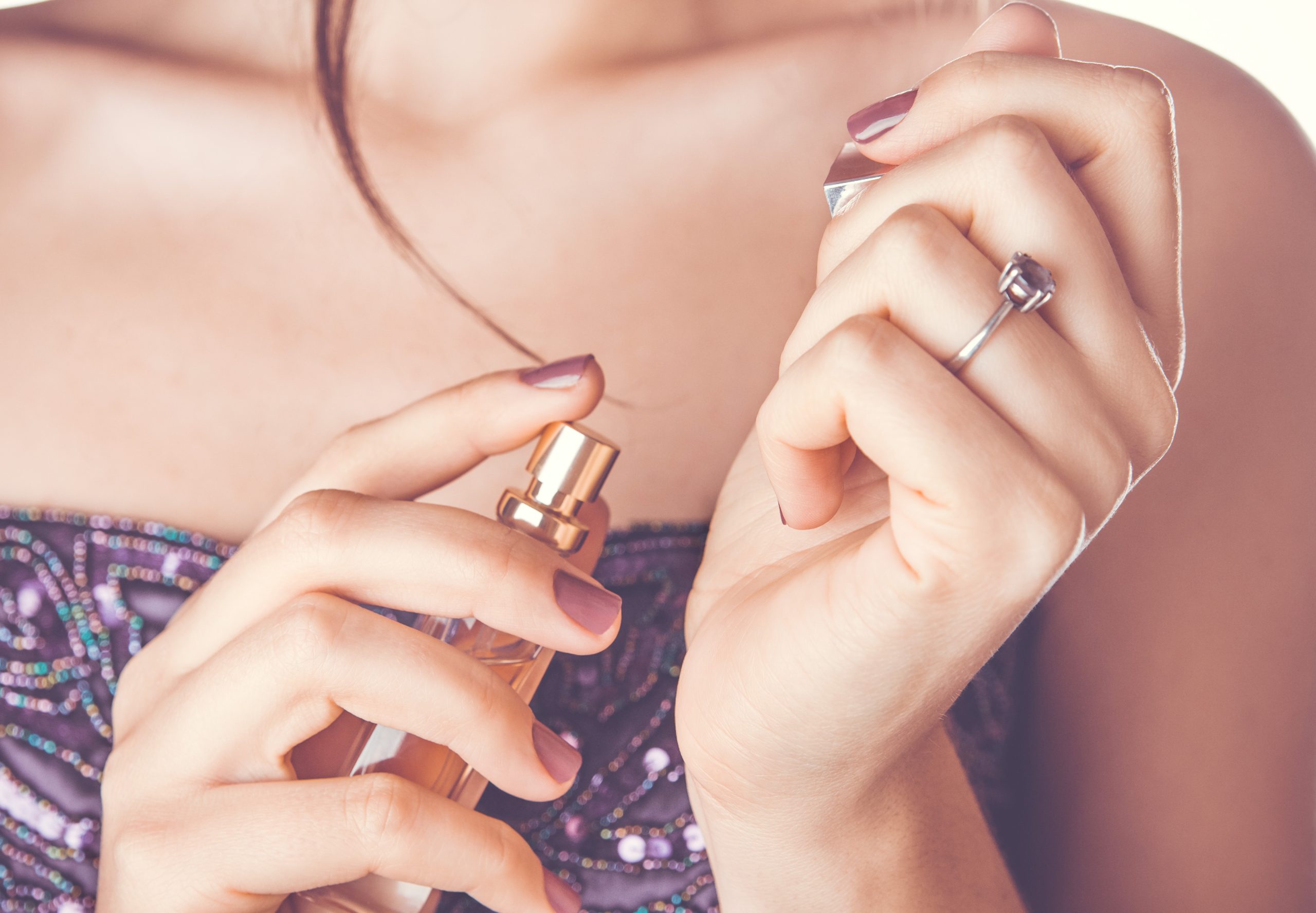
Found yourself sniffling and sneezing each time you spritz your favorite scent? Wondering why you feel a little itchy and uncomfortable when you’re in the presence of someone who gets a little trigger-happy with their fragrance? You might be part of the estimated two to 11 percent of the general population who suffers with fragrance allergies.
Or, maybe you’re one step ahead and looking for a solution. If you know in advance that you’re allergic to cologne or similar, read on for some tips on dealing with these allergies and maybe finding a scent that your body doesn’t react to.
What are fragrance allergies?
Fragrance allergies are a type of allergic reaction that occurs when the body’s immune system overreacts to some of the chemicals found in fragrances. These chemicals aren’t usually specific to fragrance and can also be found in a variety of products like soaps, shampoos, lotions and cleaning products.
Right now, these are more common in women rather than men, although no one’s really sure why. But, other than gender, fragrance allergies don’t discriminate and can affect people of all ages. They can also crop up at any point in your life, which may explain why you could spritz with reckless abandon as a teenager but may start reacting to your previously-loved perfumes a little later in life.
Keep an eye out for these common symptoms of fragrance allergies
Not sure if you’re suffering from a fragrance allergy or a different kind of allergy? Keep an eye out for these symptoms, which are all associated with fragrance allergies in particular: Skin irritation including redness, itching, and swelling, difficulty breathing or wheezing, headaches or migraines, nausea or vomiting and dizziness or lightheadedness.
How to identify the fragrances that trigger your allergies
You may not find that all fragrances bring on your allergy symptoms. The best way to figure out which your body struggles with is to work backwards through an elimination diet, where you remove all products with fragrance from your beauty routine and gradually reintroduce them one at a time to see which ones trigger your symptoms.
You may find that you’re all good with natural fragrances but struggle with synthetic fragrances or vice versa. If you’ve got a large fragrance collection and don’t know where to start, take a look at the ingredients list of each one and start with the perfume that has the shortest list.
Allergies with perfumes look different on each perfume, so you’ll want to take this process slowly to figure out what you can and can’t spritz.
What’s the difference between natural and synthetic fragrances?
Natural fragrances (like their name suggests) come from natural sources like flowers, fruits, spices, and herbs. Synthetic fragrances are made artificially to smell similar to natural notes, but use synthetic chemicals.
Synthetic options are more widely available than natural fragrances and are cheaper to produce, which is why you’ll usually find them in inexpensive fragrances. They’re also designed to last a little longer than natural notes and are less susceptible to things like body temperature, climate, and season.
If you find you’re okay with natural fragrances but not synthetic ones, you’ll want to pay attention to the key ingredients in each bottle. Some synthetic fragrances contain phthalates, which can interfere with hormone levels in the body and may cause an allergic reaction.
Some other common fragrance allergens include terms like “parfum,” “fragrance,” “linalool,” “limonene,” “eugenol,” “geraniol,” “citral,” and “coumarin”. If you’re working backwards from an elimination diet to see which fragrances you’re okay with, you’ll want to start out by looking for bottles with the term “fragrance-free”.
And don’t immediately jump on bottles that say “unscented”: these can sometimes contain masking scents to hide the natural scent of the product.
Which perfumes are best for those who are allergic to perfume?
Generally speaking, natural fragrances cause less allergic reactions than synthetic blends. Look for perfumes that use natural fragrances and essential oils instead of synthetic notes if you know you’re sensitive to certain ingredients. You can also read up on the clean beauty trend and look for fragrances that fall under that umbrella term.
Struggling to choose a perfume as someone who suffers with allergies with fragrances? You’ll find a great selection of natural perfumes to try out here at Perfume.com.

Georgie Darling is a freelance lifestyle and travel writer from London, England. Her work has been published in ELLE, Yahoo, Red, Grazia, and Tripadvisor, amongst others. When she’s not writing, Georgie spends most of her time travelling to new countries and scuba diving. She’s been an avid fragrance lover since a young age and considers Alaïa by Alaïa Paris to be her signature scent.