
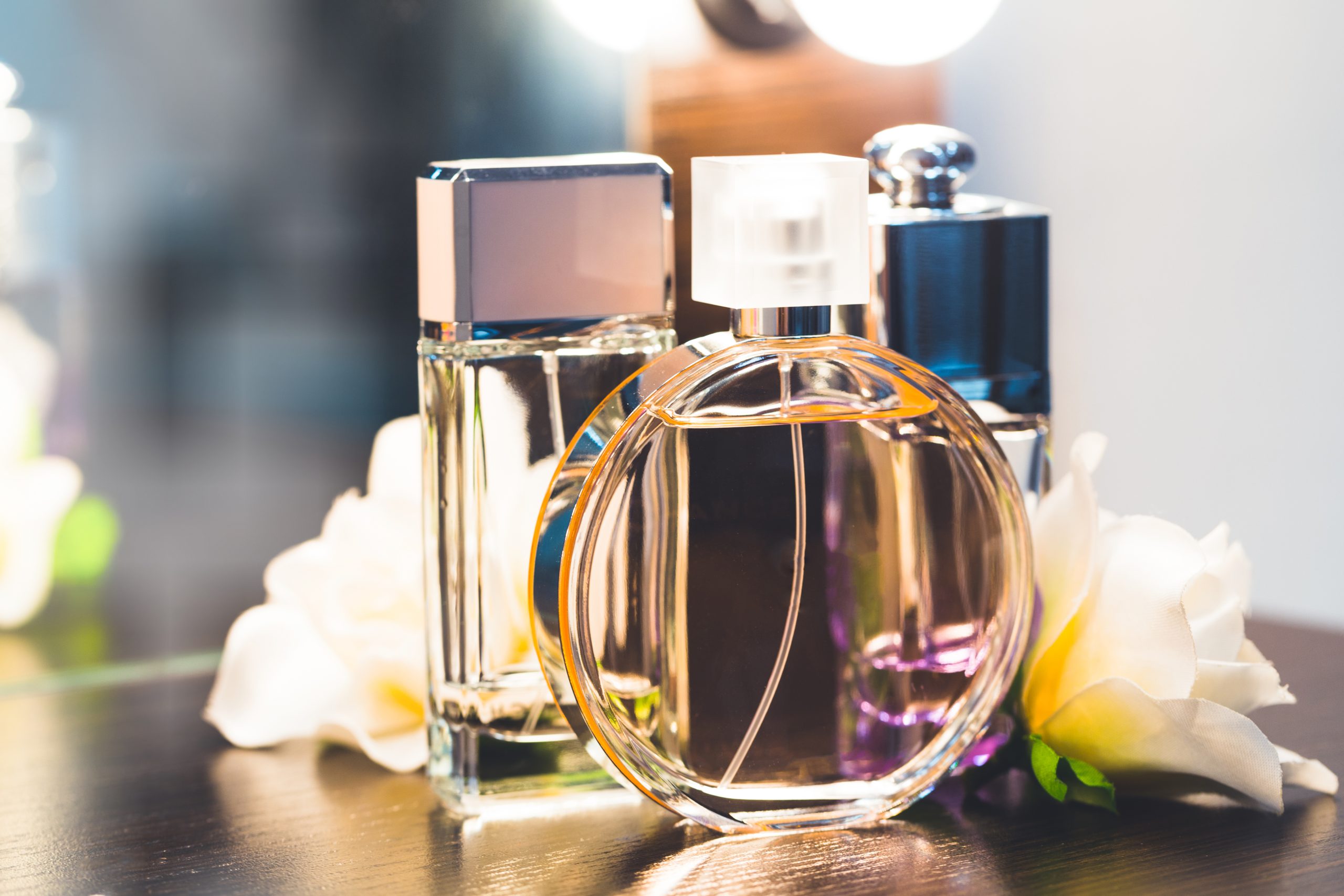
Fragrance Myths and Misconceptions
What are the most common perfume and cologne myths? If you’re anything like us, you got into fragrance at a young age by watching your mom or other family members spritz their favorite scents on the daily. Maybe you grew up adoring the same perfumes or perhaps you branched out and discovered a whole range of other delicious scents over the years.
Of course, learning about fragrance like this is a wonderful place to start. But, if you’re following along without really knowing why you apply your scent in the same way, there’s a chance you’re not enjoying your perfumes to their maximum.
Many of us spend years applying perfume the way we learned as children when, in actual fact, applying them properly can mean so much more enjoyment. So we’ve rounded up all of the most common perfume and cologne myths and misconceptions with the correct ways to get the most out of your signature scent!
Perfume is for women and cologne is for men
The idea that perfume is for women and cologne is for men is a common myth that has been perpetuated by societal norms and marketing tactics. In reality, fragrances are genderless and can be enjoyed by anyone regardless of their gender identity. The terms “perfume” and “cologne” simply refer to the concentration of the fragrance and the way it is formulated. Perfume typically has a higher concentration of fragrance oils, making it more potent and longer-lasting, while cologne has a lower concentration and is lighter in scent.
Fragrances last all day
No doubt there’s been a point in your life when you’ve spritzed your favorite perfume and wondered why, hours later, you can’t smell its gorgeous notes any longer. Many of us assume that scents will last all day whereas, in reality, many perfumes last between four to six hours. Stronger scents may last between eight to 12 hours but a shorter longevity doesn’t mean it’s a bad scent, just that it wasn’t designed to last as long!
Expensive perfumes are always better
Sure, quality is more important than quantity. But expensive perfumes aren’t always better than their budget-friendly counterparts. Some luxury brands charge higher amounts for their perfumes just because they’re luxury brands, rather than as a reflection of their quality. Other perfumes may have a higher price tag if they include expensive or rare notes, like oud, jasmine, rose, or ambergris.
You should rub your wrists together after spritzing
You probably watched your mom or grandma rub their wrists together after spritzing perfume and, growing up, you probably started to do the same thing. But this doesn’t actually benefit your fragrance and, instead, can quickly alter its notes and performance.
Rubbing your wrists together generates heat and friction, both of which combine to mix the fragrance with the natural oils on your skin and reduce its staying power. Instead, spritz your favorite scent and then air your wrists to let the scent settle down.
Perfume smells the same on everyone
Just because one of your friends highlights the unique floral notes of a perfume, doesn’t mean it’ll smell exactly the same on you. Fragrances can be affected by a whole host of different elements like your unique body chemistry and skin type. Your natural pH balance and the oils on your skin can change the way a perfume performs. If you want to be on the safe side, order a sample of a new scent before investing in a big bottle.
Perfumes don’t expire
You’ve likely got a few bottles of vintage perfume hiding away that you spritz every so often. And, while perfumes don’t officially expire, they do lose their edge after a certain period of time. The shelf life of your perfume can vary depending on its composition, ingredients, and packaging, so you’ll want to store yours in a cool, dry place away from the light. Most perfumes have a shelf life of three to five years, so you’ve got plenty of time to spritz away!
Spraying perfume on clothes makes it last longer
There’s nothing stopping you from spritzing your outfits before you head out for the day. But it’s not the optimum way to enjoy your perfume. You’ll likely find that the notes fade away much faster. That’s because fragrances are designed to settle into the skin and perform on an ongoing basis as your body chemistry works its magic.
Spritzing onto an artificial surface like clothing doesn’t allow your perfume to develop this way. If you do spritz your clothes, you’ll likely only enjoy the top notes rather than heart or base notes.
Citrus scents are only for summer
Citrus scents made up of notes like lemon, orange, bergamot, and lime are often reserved for the summer months. But if you’re waving goodbye to your citruses when cool weather approaches, you’re missing out. Elevate your citrus favorites with a heady, aromatic perfume during winter or a spicy scent during fall.
The same thing applies to fresh scents, which are usually reserved for warm weather, too. Mix them with a cool spicy perfume during winter for a crisp finish to your look.
Natural perfumes are better
Natural perfumes are those made from essential oils, plant extracts, and resins. These are often considered superior to artificial fragrances, which are made with chemicals designed to smell like their natural counterparts. But artificial fragrances have their winning features, too.
For starters, they often offer more longevity than natural scents. They’re also usually more budget-friendly as they’re cheaper and faster to produce. One thing to note, though: if you have sensitive skin, you may react less to natural scents.
We’ve finished talking you through the most common perfume and cologne myths and misconceptions. Now, you can now head over to our best-sellers to choose your favorite!

Georgie Darling is a freelance lifestyle and travel writer from London, England. Her work has been published in ELLE, Yahoo, Red, Grazia, and Tripadvisor, amongst others. When she’s not writing, Georgie spends most of her time travelling to new countries and scuba diving. She’s been an avid fragrance lover since a young age and considers Alaïa by Alaïa Paris to be her signature scent.